ABSTRACT
Seed- and soil-borne diseases are important constraints to sustainable crop production under organic farming systems, particularly in arid and semi-arid agro-ecosystems where high temperatures, moisture stress, low soil organic matter, and repeated cultivation can favour pathogen survival and disease development. The restriction of synthetic seed treatments and soil fumigants in organic agriculture further increases the need for preventive and ecologically based disease management approaches. Seed-borne pathogens can impair seed germination and seedling establishment, whereas soil borne pathogens such as Fusarium, Macrophomina phaseolina, Rhizoctonia solani, and Pythium spp. persist in soil and crop residues through resistant survival structures and cause damping-off, root rot, wilt, and other diseases. This review examines the major risks associated with seed- and soil-borne diseases in organic production, with particular emphasis on crops and production conditions of arid and semi-arid regions. It discusses pathogen survival, disease epidemiology, and the effects of these diseases on cropestablishment and productivity. Sustainable management approaches including the use of healthy and disease-free seed, hot-water and saline-water seed treatments, field sanitation, crop rotation, soil solarization, organic amendments and composts, seed bio-priming, induced systemic resistance, biological control using beneficial microorganisms such as Trichoderma, Pseudomonas, and Bacillus, and the use of botanicals are reviewed. Particular emphasis is placed on integrating these practices within Integrated Organic Disease Management (IODM) to enhance soil biological activity, suppress pathogen populations, improve plant health, and strengthen resilience to biotic and abiotic stresses. Region-specific and preventive management based on soil health, microbial diversity, and ecological processes is essential for reducing disease pressure and sustaining productivity in organic farming systems, particularly under the challenging conditions of arid and semi-arid agriculture.
Keywords: Organic farming; seed-borne diseases; soil-borne diseases; biological control; integrated disease management.
INTRODUCTION
Organic agriculture is globally recognized as a sustainable farming approach that emphasizes soil health, biodiversity conservation, ecological balance, and the exclusion of synthetic agrochemicals. Its rapid worldwide expansion reflects growing concerns about environmental degradation, pesticide residues in food, declining soil fertility, and climate instability. In India, particularly across diverse and stress-prone agro-climatic regions, organic farming has emerged as an important pathway toward sustainable crop production and livelihood security. However, alongside its ecological benefits, organic agriculture faces significant biological constraints, among which seed- and soil-borne diseases remain major, persistent challenges. Seed- and soil-borne diseases constitute a serious limitation to crop productivity, especially in systems where chemical seed treatments and soil fumigants are prohibited under organic standards. Seed-borne pathogens serve as primary sources of inoculum, reducing germination, impairing seedling vigor, and leading to poor crop establishment. Pathogens such as Fusarium, Alternaria, and Colletotrichum spp. are commonly associated with infected seeds and often remain undetected until favourable conditions trigger disease development. Soil-borne pathogens, including Rhizoctonia solani, Pythium spp., and Macrophomina phaseolina, persist in soil for extended periods through resistant survival structures such as sclerotia, chlamydospores, and oospores. These structures enable pathogens to withstand adverse environmental conditions and survive across multiple cropping seasons. Once favourable moisture and temperature conditions prevail, they infect emerging seedlings and roots, causing damping-off, root rot, wilt, charcoal rot, and ultimately substantial yield losses.
The challenge becomes more pronounced in arid and semi-arid regions, where high temperature fluctuations, erratic rainfall, moisture stress, and limited crop diversity often favour pathogen persistence and inoculum build-up. Continuous cultivation of susceptible crops, inadequate crop rotation, and poor residue management further intensify soil pathogen populations. Under such stress conditions, crops become physiologically weaker and more vulnerable to infection. In conventional farming systems, chemical interventions provide rapid disease suppression; however, these options are restricted in organic production, making preventive and ecological management strategies essential. Despite these risks, organic systems also provide unique opportunities for natural disease suppression. Enhanced soil organic matter, diversified cropping systems, compost amendments, and the use of biological control agents contribute to the development of disease-suppressive soils. A diverse and metabolically active soil microbiome can suppress pathogens through mechanisms such as competition for nutrients and space, antibiosis, parasitism, and induction of systemic resistance in plants. Therefore, integrated and biologically driven approaches rather than curative chemical control form the cornerstone of disease management in organic agriculture.
Understanding the ecology, survival mechanisms, and host–pathogen interactions of seed- and soil-borne organisms is crucial for designing sustainable management strategies. This article highlights the risks posed by these hidden yet destructive pathogens in organic systems and presents scientifically validated, ecologically sound management practices suitable for organic certification standards, with special emphasis on arid agro-ecosystems. Strengthening soil biological resilience, ensuring seed health, and integrating preventive cultural practices remain fundamental pillars for achieving stable productivity and long-term sustainability in organic farming systems.
CONCEPT AND CLASSIFICATION OF SEED- AND SOIL-BORNE DISEASES
Seed-borne diseases are those transmitted through infected or contaminated seed. Infection may be external (surface contamination) or internal (systemic infection within embryo or seed tissues). These pathogens initiate primary infection in the next cropping season. Soil-borne diseases originate from pathogens residing in soil. These organisms persist as resistant structures such as sclerotia, chlamydospores, oospores, or dormant mycelium. Infection typically occurs through roots or the collar region. Arid and semi-arid agro-ecosystems are highly vulnerable to seed- and soil-borne pathogens due to high soil temperatures, moisture stress, and low organic matter content. Under organic production systems, where synthetic seed treatments and soil fumigants are restricted, these diseases pose significant risks. The table below summarizes the major seed- and soil-borne diseases affecting principal crops grown in arid regions along with their reported severity ranges.
Major groups of pathogens include:
Fungi: Fusarium spp., Rhizoctonia solani, Macrophomina phaseolina, Sclerospora graminicola
Bacteria: Certain wilt and blight-causing organisms
Nematodes: Root-knot and cyst nematodes
Transmission occurs via contaminated seed, infected soil, irrigation water, farm implements, or crop residues. The dual nature of some pathogens (both seed- and soil-borne) increases disease complexity.
Table 1. Severity of important seed- and soil-borne diseases of principal crops grown in the arid region
|
Crop
|
Seed- and Soil-Borne Diseases
|
Severity Range (%)
|
|
Pearl millet
|
Downy mildew, Smut, Ergot
|
5–50%, 2–18%, 5–15%
|
|
Clusterbean
|
Dry root rot
|
10–40%
|
|
Moth bean
|
Dry root rot
|
5-15%
|
|
Cowpea
|
Dry root rot
|
10-70%
|
|
Cumin
|
Wilt
|
5-60%
|
|
Mustard
|
White rust, Downy mildew
|
10–45%, 5–15%
|
|
Gram
|
Root rot complex
|
10-30%
|
|
Sesame
|
Dry root rot, Wilt
|
10-40%
|
SURVIVAL AND EPIDEMIOLOGY
Soil-borne pathogens possess specialized survival structures enabling them to persist under adverse environmental conditions. For example:
- Sclerotia: Hardened fungal structures surviving high temperature and drought.
- Chlamydospores: Thick-walled spores resistant to desiccation.
- Oospores: Sexual spores capable of long-term survival in soil.
In arid regions, high temperature and low moisture stress weaken plant defences, making roots more susceptible. Monocropping leads to inoculum build-up, while poor residue management allows pathogens to multiply. Environmental fluctuations such as sudden rainfall after prolonged drought often trigger disease outbreaks.
RISK FACTORS UNDER ORGANIC PRODUCTION
Organic farming systems face certain risks:
- Absence of chemical seed treatment: No synthetic fungicidal protection.
- High inoculum carryover: Especially in continuous cropping systems.
- Limited curative measures: Focus must be preventive rather than reactive.
- Low organic matter in arid soils: Reduces beneficial microbial populations.
- Climate variability: Drought stress predisposes plants to root infection.
- Lack of seed health certification awareness: Farmers may unknowingly use infected seeds.
These factors increase vulnerability unless ecological management strategies are properly implemented.
IMPACT ON CROP PRODUCTIVITY
Seed- and soil-borne diseases have a profound impact on crop productivity, particularly in organic and arid production systems where preventive management is critical. These diseases primarily target the seed, roots, and collar region during the early stages of plant growth, leading to poor germination and high seedling mortality. Infected seeds often fail to emerge or produce weak seedlings that cannot establish a healthy stand. As pathogens colonize root tissues, they impair root elongation and branching, resulting in a weak, poorly developed root system. Damage to the roots directly interferes with the plant’s ability to absorb water and essential nutrients from the soil. In arid regions, where moisture availability is already limited, such impairment further aggravates plant stress. Consequently, infected plants exhibit symptoms such as yellowing, stunted growth, wilting, and premature drying. Reduced photosynthetic capacity and impaired physiological functioning can substantially decrease crop productivity, with the magnitude of yield loss varying according to crop species, pathogen, disease severity, and environmental conditions. Soil-borne pathogens such as Fusarium, Macrophomina phaseolina, Rhizoctonia, and Verticillium can cause considerable yield losses in susceptible crops, particularly under favourable temperature and moisture conditions (Kowalska, 2021; Dusengemungu, 2021; Suárez-Estrella et al., 2022). Beyond immediate yield reduction, repeated infection cycles contribute to the accumulation of pathogen inoculum in the soil, gradually deteriorating soil health and biological balance. Continuous presence of soil-borne pathogens reduces the effectiveness of organic inputs and beneficial microbes, undermining long-term sustainability. Therefore, managing seed- and soil-borne diseases is not only essential for protecting current crop productivity but also for preserving soil vitality and ensuring stable organic production systems.
ECOLOGICAL AND PREVENTIVE MANAGEMENT STRATEGIES
Healthy seed management
Use of certified disease-free seed is the first line of defence. Seed grading and removal of infected grains reduce the primary inoculum. Hot water seed treatment can eliminate internally seed-borne pathogens without chemical residues.
Field sanitation
Field sanitation is a fundamental preventive component of managing seed- and soil-borne diseases, particularly in organic production systems, where reliance on synthetic chemicals is restricted. The removal and proper destruction of infected crop residues play a critical role in minimizing the carryover of pathogen inoculum from one season to the next. Many soil-borne pathogens survive in infected plant debris in the form of sclerotia, chlamydospores, oospores, or dormant mycelium. If such residues are left undecomposed in the field, they serve as a primary source of infection for subsequent crops, leading to recurring disease cycles and gradual build-up of pathogen populations in the soil.
Timely collection and destruction either through composting under high-temperature conditions or safe disposal significantly reduce the survival of these propagules. In addition, deep summer ploughing is an effective cultural practice in arid and semi-arid regions. By turning the soil during peak summer months, survival structures of pathogens are exposed to intense solar radiation, high temperatures, and desiccation. Such exposure weakens or kills many propagules, thereby lowering the inoculum potential before the next cropping season. Deep ploughing also facilitates better aeration and residue decomposition, indirectly promoting the growth of antagonistic soil microorganisms.
Crop rotation
Crop rotation is a well-established and sustainable strategy for managing seed- and soil-borne diseases under rainfed and organic production systems. In arid and semi-arid regions, cereal–legume rotations not only improve soil fertility but also prevent the build-up of pathogen inoculum. Continuous cultivation of susceptible crops, such as clusterbean, has been shown to increase the population of Macrophomina phaseolina, the causal agent of dry root rot. However, introducing fallow periods or rotating with less susceptible crops significantly reduces pathogen density. During fallow, enhanced residue decomposition and increased activity of competitive soil microorganisms suppress the survival of pathogen propagules. Rotations involving clusterbean and pearl millet have been particularly effective in lowering M. phaseolina populations and minimizing downy mildew incidence in pearl millet, supporting the adoption of pearl millet–legume sequences in arid regions.
Nevertheless, the effectiveness of crop rotation depends on the survival biology of the pathogen. Pathogens producing long-lived structures, such as chlamydospores of Fusarium oxysporum f. sp. cumini (causing cumin wilt), can persist in soil for over a decade, limiting the success of short-term rotations. Continuous cultivation of susceptible crops like cumin leads to a rapid increase in inoculum and higher disease incidence. In such cases, diversified sequences such as wheat–mustard–cumin have been recommended to reduce pathogen load while optimizing water use. Similarly, careful removal of infected residues, especially from crops like sorghum and pigeon pea that support saprophytic multiplication of M. phaseolina, further restricts inoculum build-up. Successful crop rotation must consider economic viability, adaptability to local conditions, and management of other pests. When properly designed, cereal–legume rotations restore soil health, regulate pathogen populations, and enhance long-term sustainability of organic farming systems.
Hot water seed treatment
Hot water treatment is an effective non-chemical method to eliminate seed-borne fungal and bacterial pathogens. In this technique, seeds are exposed to a specific temperature for a defined duration sufficient to inactivate dormant pathogen propagules without affecting seed viability. For example, treatment at 56°C for 10 minutes effectively controls bacterial blight of clusterbean, while controlled sun-heating methods are useful against loose smut of wheat. In arid regions, naturally high summer temperatures (April–June) provide an economical and practical opportunity for such treatments. This method is especially suitable for medium- and large-seeded crops like legumes, cotton, wheat, and sorghum, though it may be less effective for very small-seeded crops.
Saline water seed treatment
Saline water treatment is a simple, cost-effective technique used to separate infected or contaminated seeds by density differences. In this method, seeds are dipped in a 10% salt solution, where lighter infected seeds or pathogen resting structures float and are removed. This technique is particularly effective in managing ergot of pearl millet, where sclerotia of Claviceps fusiformis mix with healthy seeds. Removal of floating sclerotia prevents the build-up of primary inoculum and reduces disease incidence in the field. Saline treatment is practical, affordable, and highly relevant for organic farming systems where chemical seed disinfectants are not permitted.
Soil solarization
During peak summer, covering moist soil with transparent polyethylene sheets increases soil temperature to levels lethal for many pathogens. Solarization reduces viable inoculum of fungi and nematodes. Soil solarization is a non-chemical, eco-friendly technique used for soil disinfestation and was first described by Israeli scientists in 1976 (Katan et al., 1976). In this method, moist infested soil is covered with a transparent polyethylene sheet during peak summer months. The plastic film traps solar radiation, raising soil temperature by 5–14°C above ambient levels. In hot arid regions of India, where summer temperatures reach 42–48°C, solarization effectively destroys resting structures of soil-borne fungi, nematodes, and weed seeds through lethal and sub-lethal heat exposure. This method is highly suitable for organic production systems, as it suppresses pathogens such as Macrophomina, Fusarium, Rhizoctonia, Pythium, and Sclerotium, as well as harmful nematodes and weeds, without chemical inputs. It is particularly effective as a pre-plant soil treatment and contributes to long-term improvements in soil health.
Crop- and disease-specific application
In arid and semi-arid production systems, soil solarization can be used as a pre-plant treatment for crops affected by soil-borne pathogens such as Macrophomina phaseolina causing dry root rot in clusterbean and other legumes, Fusarium oxysporum causing wilt in cumin, and Rhizoctonia solani causing root diseases in susceptible crops. The effectiveness of solarization depends on soil moisture, duration of covering, soil temperature achieved, and the depth of pathogen survival structures (Gill et al., 2017).
Organic amendments
Organic amendments play a vital role in improving soil health and managing seed- and soil-borne diseases under organic production systems. Traditionally applied to enhance soil structure and fertility, these amendments are now widely recognized for their suppressive effects against numerous pathogens, including Aphanomyces spp., Fusarium spp., Macrophomina phaseolina, Phytophthora spp., Rhizoctonia solani, Sclerotinia spp., Thielaviopsis basicola, and Verticillium spp. The incorporation of organic materials such as composts, crop residues, farmyard manure, and weed biomass improves soil physical properties by increasing water-holding capacity, aggregation, aeration, and permeability, while reducing crusting, compaction, and bulk density. These changes create a more favourable environment for plant growth and root development, particularly in arid and semi-arid soils. A major mechanism underlying disease suppression by organic amendments is the stimulation of a metabolically active, diverse soil microbiota. Enriched microbial communities compete with pathogens for nutrients and space, produce antibiotics and lytic enzymes, and may directly parasitize pathogen propagules. In some cases, dormant survival structures such as sclerotia, chlamydospores, and oospores are induced to germinate in the absence of a host plant. Once germinated, these propagules fail to compete with the highly active saprotrophic microbes and eventually perish due to nutrient stress. Beneficial microbes further suppress diseases through mechanisms such as competition, antibiosis, hyperparasitism, and induction of plant resistance. Certain plant-based amendments offer additional bioactive benefits. Cruciferous crops contain glucosinolates, which upon hydrolysis release biologically active compounds such as isothiocyanates with strong antimicrobial properties. These volatile compounds have been shown to inhibit several soil-borne fungi, making Brassica residues valuable bio-fumigants in organic systems. For example, in clusterbean, incorporation of selected weed residues such as Aerva persica, Celosia argentea, Euphorbia hirta and Heliotropium subulatum has been reported to reduce the soil population of Macrophomina phaseolina and the incidence of dry root rot (Mawar and Lodha, 2006). Thus, the effectiveness of organic amendments is dependent on the crop–pathogen combination and the type of organic material used. In contrast, some residues like Polycarpaea corymbosa may increase pathogen inoculum, highlighting the importance of selecting appropriate plant materials for soil amendment.
Composting further enhances the disease-suppressive potential of organic materials. During composting, high temperatures inactivate many pathogens, while subsequent microbial colonization generates antagonistic organisms and fungitoxic metabolites. Even heat-tolerant pathogens such as Macrophomina phaseolina can be substantially reduced through proper composting, particularly when moisture and nitrogen conditions favor microbial antagonism (Gilbert et al., 2017). Compost amendments have been shown to increase populations of beneficial actinomycetes and lytic bacteria while decreasing pathogen load, thereby improving both crop yield and soil biological activity. In moisture-deficient, arid soils, compost also enhances water retention, thereby indirectly reducing susceptibility to stress-related diseases.
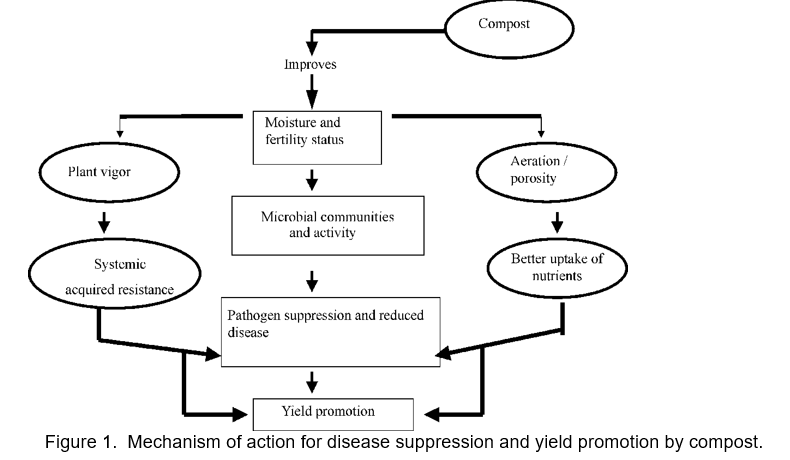
Compost extracts or “compost teas” have also been used as foliar sprays to manage diseases such as powdery mildew, downy mildew, gray mold, and late blight. These extracts may contain beneficial microbes and bioactive compounds that can induce systemic acquired resistance (SAR) in plants. Elevated defence enzyme activity, such as peroxidase, has been observed in plants grown in compost-amended media, indicating activation of plant defence pathways. When integrated with other practices such as soil solarization and nutrient management, compost-based amendments provide enhanced and sustainable disease control. Overall, organic amendments represent a multifunctional approach that improves soil fertility, enhances microbial diversity, suppresses pathogens, and strengthens plant defence. Their integration into organic farming systems offers an environmentally safe and economically viable strategy for long-term management of seed- and soil-borne diseases.
Seed priming and induced systemic resistance (ISR)
Seed priming with beneficial microorganisms or resistance-inducing agents is an effective preventive strategy to strengthen plant defence against seed- and soil-borne pathogens. Induced Systemic Resistance (ISR) operates by activating the plant’s innate immune system before pathogen invasion, enabling a quicker and more robust defensive response upon infection. This strategy is particularly significant in organic production systems, where disease management relies primarily on biological and preventive approaches rather than synthetic chemicals.
Bio-priming involves treating seeds with beneficial microbes such as Trichoderma, Pseudomonas, and Bacillus, which colonize the seed surface and rhizosphere soon after sowing. These microorganisms suppress pathogens through multiple mechanisms, including mycoparasitism, antibiosis, competition for nutrients and space, and induction of systemic resistance. In addition, plant growth-promoting rhizobacteria (PGPR) such as Pseudomonas fluorescens and Bacillus spp. produce siderophores, antibiotics, and lytic enzymes like chitinases and β-1,3-glucanases that degrade fungal cell walls. They also stimulate defence-related gene expression, enhance phenolic accumulation, and promote the synthesis of pathogenesis-related proteins, thereby improving plant immunity. As a result, bio-primed seeds exhibit better germination, enhanced early vigor, and reduced incidence of diseases such as wilt in chickpea, downy mildew in pearl millet, anthracnose in cucumber, and nematode infestations. For crop-specific application, Trichoderma spp. and Bacillus spp. can be used for seed treatment against soil-borne diseases such as Fusarium wilt and root diseases, while Pseudomonas spp. have been widely investigated for suppressing seedling and foliar diseases through induced systemic resistance. Therefore, the selection of the biocontrol microorganism should be based on the target crop, pathogen and disease stage. (Vieira et al., 2024; Singh, 2024).
Although chemical elicitors such as salicylic acid (SA), β-aminobutyric acid (BABA), and jasmonic acid (JA) can also induce systemic resistance, organic farming systems prioritize biological priming agents for their eco-friendly, sustainable nature. Seed priming further improves tolerance to abiotic stresses such as moisture deficit and strengthens root establishment—an essential factor in arid and semi-arid regions where stress conditions predispose crops to pathogens like Macrophomina phaseolina. Therefore, seed priming integrates plant physiology with microbial ecology, offering a low-cost, sustainable, and highly effective approach for managing seed- and soil-borne diseases under organic production systems (Lamichhane et al., 2017)
Biological control
Biological control has emerged as one of the most promising and sustainable strategies for managing seed- and soil-borne diseases, particularly under organic production systems where chemical fungicides are restricted. It refers to reducing pathogen inoculum or disease-causing activity by using antagonistic microorganisms or by manipulating environmental conditions to favor beneficial microbes. In arid and semi-arid agro-ecosystems, soil-borne pathogens such as Macrophomina phaseolina, Fusarium oxysporum, Fusarium solani, and Ganoderma lucidum pose serious threats to crop productivity. The use of biological control agents (BCAs) provides an environmentally safe alternative for suppressing these pathogens while enhancing soil health.
Among fungal antagonists, species of Trichoderma have shown remarkable effectiveness against several soil-borne pathogens. Native strains of Trichoderma harzianum isolated from arid soils exhibited strong antagonism against Macrophomina, Fusarium, and Ganoderma through mechanisms including mycoparasitism, competition, antibiosis, and enzyme production. Compost-based formulations prepared from residues of Prosopis juliflora and other plant materials improved survival and efficacy of Trichoderma in harsh arid environments (Mawar et al. 2020). Such formulations, including locally developed products like “Maru Sena,” have been successfully promoted for use by farmers. Similarly, bacterial antagonists such as Bacillus firmus have shown significant inhibitory effects against M. phaseolina, reducing mycelial growth and disease severity when used as seed treatments combined with organic residue amendments. The ability of B. firmus to survive at high temperatures (22–45°C) makes it particularly suited to arid soils (Kumari et al., 2024).
Biological control not only reduces pathogen inoculum but also improves microbial diversity, enhances nutrient cycling, and contributes to long-term soil health making it an integral component of organic disease management strategies.
Botanicals: plant-based solutions for disease suppression
The rich biodiversity of arid regions offers a valuable resource of botanicals with antifungal and antibacterial properties. Botanical extracts derived from locally available plants provide an eco-friendly alternative for managing seed- and soil-borne diseases under organic production systems. These plant-based products are biodegradable, less persistent in the environment, and generally safe for non-target organisms, making them highly compatible with sustainable agriculture.
Various plant extracts and essential oils have demonstrated inhibitory effects against major soil-borne pathogens, including Fusarium oxysporum, Rhizoctonia solani, Macrophomina phaseolina, Alternaria spp., and Sclerotinia sclerotiorum. For instance, extracts of Calotropis procera, Azadirachta indica (neem), Allium sativum (garlic), Ocimum spp., and Withania somnifera have shown significant antifungal activity. Volatile compounds from Brassica residues release bio-fumigant substances that suppress pathogens in soil. Similarly, essential oils from cumin (Cuminum cyminum) have been reported to inhibit growth of M. phaseolina. Farmers can prepare crude aqueous or ethanol extracts from such plants at low cost, making botanicals a practical and locally adaptable solution (Singh et al., 2021).
Botanicals may act through multiple mechanisms, including disruption of fungal cell membranes, inhibition of spore germination, and interference with pathogen enzyme systems. When integrated with compost amendments, biological control agents, and moisture-conservation practices, botanicals enhance the overall suppressiveness of the soil. Although their efficacy may vary depending on concentration, extraction method, and environmental conditions, systematic evaluation and standardization can improve their reliability. In organic farming systems, botanicals represent an important component of integrated disease management, reducing dependence on synthetic pesticides while promoting ecological balance.
Table 2. Bioactivity of Plants (Extract) on various fungi
|
Plants
|
Extract
|
Test pathogens
|
|
Fungi
|
|
Calotropis procera
|
Ethanol
|
Alternaria brassicola, Colletotrichum capsici, Fusarium oxysporum, Sclerotinia sclerotiorum
|
|
Targets erecta
|
Ethanol
|
Alternaria brassicola, Colletotrichum capsici, Fusarium oxysporum, Sclerotinia sclerotiorum Rhizoctonia solani
|
|
Brassica campestris
|
Volatile compound
(Root, shoot, seed meal)
|
Bipolaris sorkiniana, Fusarium gramineanum, Gaeumannomyces graminis var. tritici, Pythium irregulare, Rhizoctonia solani
|
|
Atriplex leucoclada
|
Aqueous (Plant)
|
Helminthosporium sativum
|
|
Chenopodium murale
|
Aqueous (Plant)
|
Alternaria solani
|
|
Euphorbia hirta
|
Ethanol
|
Alternaria alternata, Aspergillus niger, Botryodiplodia theobromae, Collectotrichum citrinum, Fusarium pallidoroseum, Penicculum citrinum, Phomopsis caricae
|
|
Jatropha gossypiifolia
|
Latex
|
Alternaria brassicola, Helminthosporium oryzae
|
|
Ricinus communis
|
Plant parts
|
Alternaria solani, Fusarium oxysporum f. sp. lycopersici
|
|
Ocimum canum
|
Essential oil
|
Ceratocystis paradoxa
|
|
Allium cepa
|
Aqueous (cold and hot of fresh leaf ethanol)
|
Rhizoctonia solani, Alternaria brassicola, Colletotrichum capsici, Fusarium oxysporum, Rhizoctonia solani ,Sclerotinia sclerotiorum, Fusarium solani
|
|
Allium sativum
|
Essential oil (Vapour)
|
Helminthosporium solani, Rhizoctonia solani
|
|
Lawsonia inermis
|
Aqueous (cold and hot) of fresh leaf
|
Fusarium oxysporum, Rhizoctonia solani
|
|
Azadirachta indica
|
Aqueous (Leaf)
|
Helminthosporium oryzae, Pyricularia oryzae
|
|
Leucaena leucocephala
|
Plant
|
Alternaria solani, Fusarium oxysporum f.sp. lecopersici, Alternaria solani, Fusarium oxysporum
|
|
Prosopis juliflora
|
Aqueous
(cold and hot of fresh leaf)
|
Rhizoctonia solani, Fusarium solani
|
|
Ziziphus jujube
Z. mauritania
|
Ethanol
|
Cocliobolus miyabbeanus
Pyricularia oryzae, Rhizoctonia solani
|
|
Withania somnifera
|
Ethanol
|
Alternaria brassicola, Rhizoctonia solani, Colletotrichum capsici, Fusarium oxysporum, Sclerotinia sclerotiorum
|
|
Cuminum cyminum
|
Essential oil (Seed)
|
Macrophomina phaseolina
|
INTEGRATED ORGANIC DISEASE MANAGEMENT (IODM)
Additional practices, such as soil solarization, especially in arid and semi-arid regions, reduce pathogen populations by exposing soil to elevated temperatures. The adoption of resistant or tolerant varieties further strengthens disease management by limiting pathogen multiplication within the host plant. When these strategies are carefully integrated and adapted to local agro-climatic conditions, they collectively reduce disease incidence, enhance soil biological activity, and improve overall system resilience. Ultimately, Integrated Organic Disease Management is rooted in the principle that healthy soil supports healthy plants. By improving soil fertility, microbial balance, and ecological stability, IODM provides a sustainable and environmentally sound framework for managing seed- and soil-borne diseases in organic farming systems.
CONCLUSION AND FUTURE PERSPECTIVES
Seed- and soil-borne diseases pose persistent, often underestimated threats to organic farming systems, particularly in arid and semi-arid regions where environmental stresses predispose crops to infection. Because organic production restricts the use of synthetic chemicals, curative control measures are limited, making preventive and ecologically based strategies the foundation of disease management. Sustainable suppression of these pathogens depends largely on restoring and maintaining soil health, which supports a balanced and competitive microbial ecosystem unfavourable to disease development. The integration of healthy seed selection, bio-priming with beneficial microorganisms, crop rotation, organic amendments, soil solarization, and the use of resistant or tolerant cultivars provides a comprehensive and environmentally sound framework for long-term disease management. These approaches not only reduce pathogen inoculum but also enhance plant vigor, improve nutrient cycling, and increase resilience of cropping systems against both biotic and abiotic stresses. Emphasis on microbial-based technologies and soil biodiversity further strengthens the ecological stability of organic farms.
Looking ahead, greater investment in region-specific research particularly for arid ecosystems is essential to better understand pathogen ecology, host–microbe interactions, and climate-related disease dynamics. Equally important is strengthening farmer education and extension services to promote adoption of integrated organic disease management practices. By combining scientific innovation with traditional knowledge and sustainable practices, organic agriculture can effectively address the hidden yet devastating impact of seed- and soil-borne diseases while ensuring long-term productivity and environmental health.
REFERENCES
Agrios, G. N. (2005). Plant Pathology (5th ed.). Elsevier Academic Press.
Dusengemungu, L. (2021). Fusarium soilborne pathogen. IntechOpen. DOI: 10.5772/intechopen.100597.
Gill, H.K., Aujla, I.S., De Bellis, L. and Luvisi, A., 2017. The role of soil solarization in India: How an unnoticed practice could support pest control. Frontiers in plant science, 8, p.1515.
IFOAM (2020). The IFOAM Norms for Organic Production and Processing. IFOAM – Organics International.
Katan, J., Greenberger, A., Alon, H. & Grinstein, A. (1976). Solar heating by polyethylene mulching for the control of diseases caused by soil-borne pathogens. Phytopathology, 66, 683–688.
Kowalska, B. (2021). Management of the soil-borne fungal pathogen Verticillium dahliae Kleb. causing vascular wilt diseases. Journal of Plant Pathology, 103, 1185–1194.
Kumari, N., Kardam, V.K. & Mawar, R. (2024). Assessment of Prosopis juliflora pods as a carbohydrate source for optimizing the growth of biocontrol agent Trichoderma harzianum. DOI: 10.56669/DBNI1327.
Lamichhane, J. R., Dürr, C., Schwanck, A. A., Robin, M. H., Sarthou, J. P., Cellier, V., Messéan, A., & Aubertot, J. N. (2017). Integrated management of damping-off diseases: A review. Agronomy for Sustainable Development, 37(2), 10.
Mawar, R. & Lodha, S. (2006). Relative efficacy of on-farm weeds as soil-amendment for managing dry root rot of clusterbean in an arid environment. Phytopathologia Mediterranea, 45, 215–224.
Mawar, R., Sharma, D. and Ram, L., 2020. Potential of biocontrol agents against Ganoderma lucidum causing basal stem rot in mesquite (Prosopis cineraria) in arid regions of India. Journal of Forestry Research, 32(3), pp.1269-1279.
Singh, P. (2024). Seed priming approaches for climate-resilient agriculture. Seed Research, 52(1), 41–57.
Singh, R., Kumar, A., Kumar, V., & Yadav, R. (2021). Antifungal potential of plant-derived bioactive compounds against major phytopathogenic fungi: A review. Journal of Applied Microbiology, 130(4), 1054–1073.
Suárez-Estrella, F., et al. (2022). Anaerobic soil disinfestation for the management of soilborne pathogens: A review. Applied Soil Ecology.
Vieira, M.E.O., Nunes, V.V., Calazans, C.C. & Silva-Mann, R. (2024). Unlocking plant defenses: Harnessing the power of beneficial microorganisms for induced systemic resistance in vegetables – A systematic review. Biological Control, 188, 105428. https://doi.org/10.1016/j.biocontrol.2023.105428.
Willer, H., Trávníček, J., Meier, C., & Schlatter, B. (2023). The World of Organic Agriculture: Statistics and Emerging Trends. FiBL & IFOAM Organics International

Seed and Soil - Borne Diseases under Organic Production: Risks and Solutions
ABSTRACT
Seed- and soil-borne diseases are important constraints to sustainable crop production under organic farming systems, particularly in arid and semi-arid agro-ecosystems where high temperatures, moisture stress, low soil organic matter, and repeated cultivation can favour pathogen survival and disease development. The restriction of synthetic seed treatments and soil fumigants in organic agriculture further increases the need for preventive and ecologically based disease management approaches. Seed-borne pathogens can impair seed germination and seedling establishment, whereas soil borne pathogens such as Fusarium, Macrophomina phaseolina, Rhizoctonia solani, and Pythium spp. persist in soil and crop residues through resistant survival structures and cause damping-off, root rot, wilt, and other diseases. This review examines the major risks associated with seed- and soil-borne diseases in organic production, with particular emphasis on crops and production conditions of arid and semi-arid regions. It discusses pathogen survival, disease epidemiology, and the effects of these diseases on cropestablishment and productivity. Sustainable management approaches including the use of healthy and disease-free seed, hot-water and saline-water seed treatments, field sanitation, crop rotation, soil solarization, organic amendments and composts, seed bio-priming, induced systemic resistance, biological control using beneficial microorganisms such as Trichoderma, Pseudomonas, and Bacillus, and the use of botanicals are reviewed. Particular emphasis is placed on integrating these practices within Integrated Organic Disease Management (IODM) to enhance soil biological activity, suppress pathogen populations, improve plant health, and strengthen resilience to biotic and abiotic stresses. Region-specific and preventive management based on soil health, microbial diversity, and ecological processes is essential for reducing disease pressure and sustaining productivity in organic farming systems, particularly under the challenging conditions of arid and semi-arid agriculture.
Keywords: Organic farming; seed-borne diseases; soil-borne diseases; biological control; integrated disease management.
INTRODUCTION
Organic agriculture is globally recognized as a sustainable farming approach that emphasizes soil health, biodiversity conservation, ecological balance, and the exclusion of synthetic agrochemicals. Its rapid worldwide expansion reflects growing concerns about environmental degradation, pesticide residues in food, declining soil fertility, and climate instability. In India, particularly across diverse and stress-prone agro-climatic regions, organic farming has emerged as an important pathway toward sustainable crop production and livelihood security. However, alongside its ecological benefits, organic agriculture faces significant biological constraints, among which seed- and soil-borne diseases remain major, persistent challenges. Seed- and soil-borne diseases constitute a serious limitation to crop productivity, especially in systems where chemical seed treatments and soil fumigants are prohibited under organic standards. Seed-borne pathogens serve as primary sources of inoculum, reducing germination, impairing seedling vigor, and leading to poor crop establishment. Pathogens such as Fusarium, Alternaria, and Colletotrichum spp. are commonly associated with infected seeds and often remain undetected until favourable conditions trigger disease development. Soil-borne pathogens, including Rhizoctonia solani, Pythium spp., and Macrophomina phaseolina, persist in soil for extended periods through resistant survival structures such as sclerotia, chlamydospores, and oospores. These structures enable pathogens to withstand adverse environmental conditions and survive across multiple cropping seasons. Once favourable moisture and temperature conditions prevail, they infect emerging seedlings and roots, causing damping-off, root rot, wilt, charcoal rot, and ultimately substantial yield losses.
The challenge becomes more pronounced in arid and semi-arid regions, where high temperature fluctuations, erratic rainfall, moisture stress, and limited crop diversity often favour pathogen persistence and inoculum build-up. Continuous cultivation of susceptible crops, inadequate crop rotation, and poor residue management further intensify soil pathogen populations. Under such stress conditions, crops become physiologically weaker and more vulnerable to infection. In conventional farming systems, chemical interventions provide rapid disease suppression; however, these options are restricted in organic production, making preventive and ecological management strategies essential. Despite these risks, organic systems also provide unique opportunities for natural disease suppression. Enhanced soil organic matter, diversified cropping systems, compost amendments, and the use of biological control agents contribute to the development of disease-suppressive soils. A diverse and metabolically active soil microbiome can suppress pathogens through mechanisms such as competition for nutrients and space, antibiosis, parasitism, and induction of systemic resistance in plants. Therefore, integrated and biologically driven approaches rather than curative chemical control form the cornerstone of disease management in organic agriculture.
Understanding the ecology, survival mechanisms, and host–pathogen interactions of seed- and soil-borne organisms is crucial for designing sustainable management strategies. This article highlights the risks posed by these hidden yet destructive pathogens in organic systems and presents scientifically validated, ecologically sound management practices suitable for organic certification standards, with special emphasis on arid agro-ecosystems. Strengthening soil biological resilience, ensuring seed health, and integrating preventive cultural practices remain fundamental pillars for achieving stable productivity and long-term sustainability in organic farming systems.
CONCEPT AND CLASSIFICATION OF SEED- AND SOIL-BORNE DISEASES
Seed-borne diseases are those transmitted through infected or contaminated seed. Infection may be external (surface contamination) or internal (systemic infection within embryo or seed tissues). These pathogens initiate primary infection in the next cropping season. Soil-borne diseases originate from pathogens residing in soil. These organisms persist as resistant structures such as sclerotia, chlamydospores, oospores, or dormant mycelium. Infection typically occurs through roots or the collar region. Arid and semi-arid agro-ecosystems are highly vulnerable to seed- and soil-borne pathogens due to high soil temperatures, moisture stress, and low organic matter content. Under organic production systems, where synthetic seed treatments and soil fumigants are restricted, these diseases pose significant risks. The table below summarizes the major seed- and soil-borne diseases affecting principal crops grown in arid regions along with their reported severity ranges.
Major groups of pathogens include:
Fungi: Fusarium spp., Rhizoctonia solani, Macrophomina phaseolina, Sclerospora graminicola
Bacteria: Certain wilt and blight-causing organisms
Nematodes: Root-knot and cyst nematodes
Transmission occurs via contaminated seed, infected soil, irrigation water, farm implements, or crop residues. The dual nature of some pathogens (both seed- and soil-borne) increases disease complexity.
Table 1. Severity of important seed- and soil-borne diseases of principal crops grown in the arid region
Crop
Seed- and Soil-Borne Diseases
Severity Range (%)
Pearl millet
Downy mildew, Smut, Ergot
5–50%, 2–18%, 5–15%
Clusterbean
Dry root rot
10–40%
Moth bean
Dry root rot
5-15%
Cowpea
Dry root rot
10-70%
Cumin
Wilt
5-60%
Mustard
White rust, Downy mildew
10–45%, 5–15%
Gram
Root rot complex
10-30%
Sesame
Dry root rot, Wilt
10-40%
SURVIVAL AND EPIDEMIOLOGY
Soil-borne pathogens possess specialized survival structures enabling them to persist under adverse environmental conditions. For example:
In arid regions, high temperature and low moisture stress weaken plant defences, making roots more susceptible. Monocropping leads to inoculum build-up, while poor residue management allows pathogens to multiply. Environmental fluctuations such as sudden rainfall after prolonged drought often trigger disease outbreaks.
RISK FACTORS UNDER ORGANIC PRODUCTION
Organic farming systems face certain risks:
These factors increase vulnerability unless ecological management strategies are properly implemented.
IMPACT ON CROP PRODUCTIVITY
Seed- and soil-borne diseases have a profound impact on crop productivity, particularly in organic and arid production systems where preventive management is critical. These diseases primarily target the seed, roots, and collar region during the early stages of plant growth, leading to poor germination and high seedling mortality. Infected seeds often fail to emerge or produce weak seedlings that cannot establish a healthy stand. As pathogens colonize root tissues, they impair root elongation and branching, resulting in a weak, poorly developed root system. Damage to the roots directly interferes with the plant’s ability to absorb water and essential nutrients from the soil. In arid regions, where moisture availability is already limited, such impairment further aggravates plant stress. Consequently, infected plants exhibit symptoms such as yellowing, stunted growth, wilting, and premature drying. Reduced photosynthetic capacity and impaired physiological functioning can substantially decrease crop productivity, with the magnitude of yield loss varying according to crop species, pathogen, disease severity, and environmental conditions. Soil-borne pathogens such as Fusarium, Macrophomina phaseolina, Rhizoctonia, and Verticillium can cause considerable yield losses in susceptible crops, particularly under favourable temperature and moisture conditions (Kowalska, 2021; Dusengemungu, 2021; Suárez-Estrella et al., 2022). Beyond immediate yield reduction, repeated infection cycles contribute to the accumulation of pathogen inoculum in the soil, gradually deteriorating soil health and biological balance. Continuous presence of soil-borne pathogens reduces the effectiveness of organic inputs and beneficial microbes, undermining long-term sustainability. Therefore, managing seed- and soil-borne diseases is not only essential for protecting current crop productivity but also for preserving soil vitality and ensuring stable organic production systems.
ECOLOGICAL AND PREVENTIVE MANAGEMENT STRATEGIES
Healthy seed management
Use of certified disease-free seed is the first line of defence. Seed grading and removal of infected grains reduce the primary inoculum. Hot water seed treatment can eliminate internally seed-borne pathogens without chemical residues.
Field sanitation
Field sanitation is a fundamental preventive component of managing seed- and soil-borne diseases, particularly in organic production systems, where reliance on synthetic chemicals is restricted. The removal and proper destruction of infected crop residues play a critical role in minimizing the carryover of pathogen inoculum from one season to the next. Many soil-borne pathogens survive in infected plant debris in the form of sclerotia, chlamydospores, oospores, or dormant mycelium. If such residues are left undecomposed in the field, they serve as a primary source of infection for subsequent crops, leading to recurring disease cycles and gradual build-up of pathogen populations in the soil.
Timely collection and destruction either through composting under high-temperature conditions or safe disposal significantly reduce the survival of these propagules. In addition, deep summer ploughing is an effective cultural practice in arid and semi-arid regions. By turning the soil during peak summer months, survival structures of pathogens are exposed to intense solar radiation, high temperatures, and desiccation. Such exposure weakens or kills many propagules, thereby lowering the inoculum potential before the next cropping season. Deep ploughing also facilitates better aeration and residue decomposition, indirectly promoting the growth of antagonistic soil microorganisms.
Crop rotation
Crop rotation is a well-established and sustainable strategy for managing seed- and soil-borne diseases under rainfed and organic production systems. In arid and semi-arid regions, cereal–legume rotations not only improve soil fertility but also prevent the build-up of pathogen inoculum. Continuous cultivation of susceptible crops, such as clusterbean, has been shown to increase the population of Macrophomina phaseolina, the causal agent of dry root rot. However, introducing fallow periods or rotating with less susceptible crops significantly reduces pathogen density. During fallow, enhanced residue decomposition and increased activity of competitive soil microorganisms suppress the survival of pathogen propagules. Rotations involving clusterbean and pearl millet have been particularly effective in lowering M. phaseolina populations and minimizing downy mildew incidence in pearl millet, supporting the adoption of pearl millet–legume sequences in arid regions.
Nevertheless, the effectiveness of crop rotation depends on the survival biology of the pathogen. Pathogens producing long-lived structures, such as chlamydospores of Fusarium oxysporum f. sp. cumini (causing cumin wilt), can persist in soil for over a decade, limiting the success of short-term rotations. Continuous cultivation of susceptible crops like cumin leads to a rapid increase in inoculum and higher disease incidence. In such cases, diversified sequences such as wheat–mustard–cumin have been recommended to reduce pathogen load while optimizing water use. Similarly, careful removal of infected residues, especially from crops like sorghum and pigeon pea that support saprophytic multiplication of M. phaseolina, further restricts inoculum build-up. Successful crop rotation must consider economic viability, adaptability to local conditions, and management of other pests. When properly designed, cereal–legume rotations restore soil health, regulate pathogen populations, and enhance long-term sustainability of organic farming systems.
Hot water seed treatment
Hot water treatment is an effective non-chemical method to eliminate seed-borne fungal and bacterial pathogens. In this technique, seeds are exposed to a specific temperature for a defined duration sufficient to inactivate dormant pathogen propagules without affecting seed viability. For example, treatment at 56°C for 10 minutes effectively controls bacterial blight of clusterbean, while controlled sun-heating methods are useful against loose smut of wheat. In arid regions, naturally high summer temperatures (April–June) provide an economical and practical opportunity for such treatments. This method is especially suitable for medium- and large-seeded crops like legumes, cotton, wheat, and sorghum, though it may be less effective for very small-seeded crops.
Saline water seed treatment
Saline water treatment is a simple, cost-effective technique used to separate infected or contaminated seeds by density differences. In this method, seeds are dipped in a 10% salt solution, where lighter infected seeds or pathogen resting structures float and are removed. This technique is particularly effective in managing ergot of pearl millet, where sclerotia of Claviceps fusiformis mix with healthy seeds. Removal of floating sclerotia prevents the build-up of primary inoculum and reduces disease incidence in the field. Saline treatment is practical, affordable, and highly relevant for organic farming systems where chemical seed disinfectants are not permitted.
Soil solarization
During peak summer, covering moist soil with transparent polyethylene sheets increases soil temperature to levels lethal for many pathogens. Solarization reduces viable inoculum of fungi and nematodes. Soil solarization is a non-chemical, eco-friendly technique used for soil disinfestation and was first described by Israeli scientists in 1976 (Katan et al., 1976). In this method, moist infested soil is covered with a transparent polyethylene sheet during peak summer months. The plastic film traps solar radiation, raising soil temperature by 5–14°C above ambient levels. In hot arid regions of India, where summer temperatures reach 42–48°C, solarization effectively destroys resting structures of soil-borne fungi, nematodes, and weed seeds through lethal and sub-lethal heat exposure. This method is highly suitable for organic production systems, as it suppresses pathogens such as Macrophomina, Fusarium, Rhizoctonia, Pythium, and Sclerotium, as well as harmful nematodes and weeds, without chemical inputs. It is particularly effective as a pre-plant soil treatment and contributes to long-term improvements in soil health.
Crop- and disease-specific application
In arid and semi-arid production systems, soil solarization can be used as a pre-plant treatment for crops affected by soil-borne pathogens such as Macrophomina phaseolina causing dry root rot in clusterbean and other legumes, Fusarium oxysporum causing wilt in cumin, and Rhizoctonia solani causing root diseases in susceptible crops. The effectiveness of solarization depends on soil moisture, duration of covering, soil temperature achieved, and the depth of pathogen survival structures (Gill et al., 2017).
Organic amendments
Organic amendments play a vital role in improving soil health and managing seed- and soil-borne diseases under organic production systems. Traditionally applied to enhance soil structure and fertility, these amendments are now widely recognized for their suppressive effects against numerous pathogens, including Aphanomyces spp., Fusarium spp., Macrophomina phaseolina, Phytophthora spp., Rhizoctonia solani, Sclerotinia spp., Thielaviopsis basicola, and Verticillium spp. The incorporation of organic materials such as composts, crop residues, farmyard manure, and weed biomass improves soil physical properties by increasing water-holding capacity, aggregation, aeration, and permeability, while reducing crusting, compaction, and bulk density. These changes create a more favourable environment for plant growth and root development, particularly in arid and semi-arid soils. A major mechanism underlying disease suppression by organic amendments is the stimulation of a metabolically active, diverse soil microbiota. Enriched microbial communities compete with pathogens for nutrients and space, produce antibiotics and lytic enzymes, and may directly parasitize pathogen propagules. In some cases, dormant survival structures such as sclerotia, chlamydospores, and oospores are induced to germinate in the absence of a host plant. Once germinated, these propagules fail to compete with the highly active saprotrophic microbes and eventually perish due to nutrient stress. Beneficial microbes further suppress diseases through mechanisms such as competition, antibiosis, hyperparasitism, and induction of plant resistance. Certain plant-based amendments offer additional bioactive benefits. Cruciferous crops contain glucosinolates, which upon hydrolysis release biologically active compounds such as isothiocyanates with strong antimicrobial properties. These volatile compounds have been shown to inhibit several soil-borne fungi, making Brassica residues valuable bio-fumigants in organic systems. For example, in clusterbean, incorporation of selected weed residues such as Aerva persica, Celosia argentea, Euphorbia hirta and Heliotropium subulatum has been reported to reduce the soil population of Macrophomina phaseolina and the incidence of dry root rot (Mawar and Lodha, 2006). Thus, the effectiveness of organic amendments is dependent on the crop–pathogen combination and the type of organic material used. In contrast, some residues like Polycarpaea corymbosa may increase pathogen inoculum, highlighting the importance of selecting appropriate plant materials for soil amendment.
Composting further enhances the disease-suppressive potential of organic materials. During composting, high temperatures inactivate many pathogens, while subsequent microbial colonization generates antagonistic organisms and fungitoxic metabolites. Even heat-tolerant pathogens such as Macrophomina phaseolina can be substantially reduced through proper composting, particularly when moisture and nitrogen conditions favor microbial antagonism (Gilbert et al., 2017). Compost amendments have been shown to increase populations of beneficial actinomycetes and lytic bacteria while decreasing pathogen load, thereby improving both crop yield and soil biological activity. In moisture-deficient, arid soils, compost also enhances water retention, thereby indirectly reducing susceptibility to stress-related diseases.
Compost extracts or “compost teas” have also been used as foliar sprays to manage diseases such as powdery mildew, downy mildew, gray mold, and late blight. These extracts may contain beneficial microbes and bioactive compounds that can induce systemic acquired resistance (SAR) in plants. Elevated defence enzyme activity, such as peroxidase, has been observed in plants grown in compost-amended media, indicating activation of plant defence pathways. When integrated with other practices such as soil solarization and nutrient management, compost-based amendments provide enhanced and sustainable disease control. Overall, organic amendments represent a multifunctional approach that improves soil fertility, enhances microbial diversity, suppresses pathogens, and strengthens plant defence. Their integration into organic farming systems offers an environmentally safe and economically viable strategy for long-term management of seed- and soil-borne diseases.
Seed priming and induced systemic resistance (ISR)
Seed priming with beneficial microorganisms or resistance-inducing agents is an effective preventive strategy to strengthen plant defence against seed- and soil-borne pathogens. Induced Systemic Resistance (ISR) operates by activating the plant’s innate immune system before pathogen invasion, enabling a quicker and more robust defensive response upon infection. This strategy is particularly significant in organic production systems, where disease management relies primarily on biological and preventive approaches rather than synthetic chemicals.
Bio-priming involves treating seeds with beneficial microbes such as Trichoderma, Pseudomonas, and Bacillus, which colonize the seed surface and rhizosphere soon after sowing. These microorganisms suppress pathogens through multiple mechanisms, including mycoparasitism, antibiosis, competition for nutrients and space, and induction of systemic resistance. In addition, plant growth-promoting rhizobacteria (PGPR) such as Pseudomonas fluorescens and Bacillus spp. produce siderophores, antibiotics, and lytic enzymes like chitinases and β-1,3-glucanases that degrade fungal cell walls. They also stimulate defence-related gene expression, enhance phenolic accumulation, and promote the synthesis of pathogenesis-related proteins, thereby improving plant immunity. As a result, bio-primed seeds exhibit better germination, enhanced early vigor, and reduced incidence of diseases such as wilt in chickpea, downy mildew in pearl millet, anthracnose in cucumber, and nematode infestations. For crop-specific application, Trichoderma spp. and Bacillus spp. can be used for seed treatment against soil-borne diseases such as Fusarium wilt and root diseases, while Pseudomonas spp. have been widely investigated for suppressing seedling and foliar diseases through induced systemic resistance. Therefore, the selection of the biocontrol microorganism should be based on the target crop, pathogen and disease stage. (Vieira et al., 2024; Singh, 2024).
Although chemical elicitors such as salicylic acid (SA), β-aminobutyric acid (BABA), and jasmonic acid (JA) can also induce systemic resistance, organic farming systems prioritize biological priming agents for their eco-friendly, sustainable nature. Seed priming further improves tolerance to abiotic stresses such as moisture deficit and strengthens root establishment—an essential factor in arid and semi-arid regions where stress conditions predispose crops to pathogens like Macrophomina phaseolina. Therefore, seed priming integrates plant physiology with microbial ecology, offering a low-cost, sustainable, and highly effective approach for managing seed- and soil-borne diseases under organic production systems (Lamichhane et al., 2017)
Biological control
Biological control has emerged as one of the most promising and sustainable strategies for managing seed- and soil-borne diseases, particularly under organic production systems where chemical fungicides are restricted. It refers to reducing pathogen inoculum or disease-causing activity by using antagonistic microorganisms or by manipulating environmental conditions to favor beneficial microbes. In arid and semi-arid agro-ecosystems, soil-borne pathogens such as Macrophomina phaseolina, Fusarium oxysporum, Fusarium solani, and Ganoderma lucidum pose serious threats to crop productivity. The use of biological control agents (BCAs) provides an environmentally safe alternative for suppressing these pathogens while enhancing soil health.
Among fungal antagonists, species of Trichoderma have shown remarkable effectiveness against several soil-borne pathogens. Native strains of Trichoderma harzianum isolated from arid soils exhibited strong antagonism against Macrophomina, Fusarium, and Ganoderma through mechanisms including mycoparasitism, competition, antibiosis, and enzyme production. Compost-based formulations prepared from residues of Prosopis juliflora and other plant materials improved survival and efficacy of Trichoderma in harsh arid environments (Mawar et al. 2020). Such formulations, including locally developed products like “Maru Sena,” have been successfully promoted for use by farmers. Similarly, bacterial antagonists such as Bacillus firmus have shown significant inhibitory effects against M. phaseolina, reducing mycelial growth and disease severity when used as seed treatments combined with organic residue amendments. The ability of B. firmus to survive at high temperatures (22–45°C) makes it particularly suited to arid soils (Kumari et al., 2024).
Biological control not only reduces pathogen inoculum but also improves microbial diversity, enhances nutrient cycling, and contributes to long-term soil health making it an integral component of organic disease management strategies.
Botanicals: plant-based solutions for disease suppression
The rich biodiversity of arid regions offers a valuable resource of botanicals with antifungal and antibacterial properties. Botanical extracts derived from locally available plants provide an eco-friendly alternative for managing seed- and soil-borne diseases under organic production systems. These plant-based products are biodegradable, less persistent in the environment, and generally safe for non-target organisms, making them highly compatible with sustainable agriculture.
Various plant extracts and essential oils have demonstrated inhibitory effects against major soil-borne pathogens, including Fusarium oxysporum, Rhizoctonia solani, Macrophomina phaseolina, Alternaria spp., and Sclerotinia sclerotiorum. For instance, extracts of Calotropis procera, Azadirachta indica (neem), Allium sativum (garlic), Ocimum spp., and Withania somnifera have shown significant antifungal activity. Volatile compounds from Brassica residues release bio-fumigant substances that suppress pathogens in soil. Similarly, essential oils from cumin (Cuminum cyminum) have been reported to inhibit growth of M. phaseolina. Farmers can prepare crude aqueous or ethanol extracts from such plants at low cost, making botanicals a practical and locally adaptable solution (Singh et al., 2021).
Botanicals may act through multiple mechanisms, including disruption of fungal cell membranes, inhibition of spore germination, and interference with pathogen enzyme systems. When integrated with compost amendments, biological control agents, and moisture-conservation practices, botanicals enhance the overall suppressiveness of the soil. Although their efficacy may vary depending on concentration, extraction method, and environmental conditions, systematic evaluation and standardization can improve their reliability. In organic farming systems, botanicals represent an important component of integrated disease management, reducing dependence on synthetic pesticides while promoting ecological balance.
Table 2. Bioactivity of Plants (Extract) on various fungi
Plants
Extract
Test pathogens
Fungi
Calotropis procera
Ethanol
Alternaria brassicola, Colletotrichum capsici, Fusarium oxysporum, Sclerotinia sclerotiorum
Targets erecta
Ethanol
Alternaria brassicola, Colletotrichum capsici, Fusarium oxysporum, Sclerotinia sclerotiorum Rhizoctonia solani
Brassica campestris
Volatile compound
(Root, shoot, seed meal)
Bipolaris sorkiniana, Fusarium gramineanum, Gaeumannomyces graminis var. tritici, Pythium irregulare, Rhizoctonia solani
Atriplex leucoclada
Aqueous (Plant)
Helminthosporium sativum
Chenopodium murale
Aqueous (Plant)
Alternaria solani
Euphorbia hirta
Ethanol
Alternaria alternata, Aspergillus niger, Botryodiplodia theobromae, Collectotrichum citrinum, Fusarium pallidoroseum, Penicculum citrinum, Phomopsis caricae
Jatropha gossypiifolia
Latex
Alternaria brassicola, Helminthosporium oryzae
Ricinus communis
Plant parts
Alternaria solani, Fusarium oxysporum f. sp. lycopersici
Ocimum canum
Essential oil
Ceratocystis paradoxa
Allium cepa
Aqueous (cold and hot of fresh leaf ethanol)
Rhizoctonia solani, Alternaria brassicola, Colletotrichum capsici, Fusarium oxysporum, Rhizoctonia solani ,Sclerotinia sclerotiorum, Fusarium solani
Allium sativum
Essential oil (Vapour)
Helminthosporium solani, Rhizoctonia solani
Lawsonia inermis
Aqueous (cold and hot) of fresh leaf
Fusarium oxysporum, Rhizoctonia solani
Azadirachta indica
Aqueous (Leaf)
Helminthosporium oryzae, Pyricularia oryzae
Leucaena leucocephala
Plant
Alternaria solani, Fusarium oxysporum f.sp. lecopersici, Alternaria solani, Fusarium oxysporum
Prosopis juliflora
Aqueous
(cold and hot of fresh leaf)
Rhizoctonia solani, Fusarium solani
Ziziphus jujube
Z. mauritania
Ethanol
Cocliobolus miyabbeanus
Pyricularia oryzae, Rhizoctonia solani
Withania somnifera
Ethanol
Alternaria brassicola, Rhizoctonia solani, Colletotrichum capsici, Fusarium oxysporum, Sclerotinia sclerotiorum
Cuminum cyminum
Essential oil (Seed)
Macrophomina phaseolina
INTEGRATED ORGANIC DISEASE MANAGEMENT (IODM)
Additional practices, such as soil solarization, especially in arid and semi-arid regions, reduce pathogen populations by exposing soil to elevated temperatures. The adoption of resistant or tolerant varieties further strengthens disease management by limiting pathogen multiplication within the host plant. When these strategies are carefully integrated and adapted to local agro-climatic conditions, they collectively reduce disease incidence, enhance soil biological activity, and improve overall system resilience. Ultimately, Integrated Organic Disease Management is rooted in the principle that healthy soil supports healthy plants. By improving soil fertility, microbial balance, and ecological stability, IODM provides a sustainable and environmentally sound framework for managing seed- and soil-borne diseases in organic farming systems.
CONCLUSION AND FUTURE PERSPECTIVES
Seed- and soil-borne diseases pose persistent, often underestimated threats to organic farming systems, particularly in arid and semi-arid regions where environmental stresses predispose crops to infection. Because organic production restricts the use of synthetic chemicals, curative control measures are limited, making preventive and ecologically based strategies the foundation of disease management. Sustainable suppression of these pathogens depends largely on restoring and maintaining soil health, which supports a balanced and competitive microbial ecosystem unfavourable to disease development. The integration of healthy seed selection, bio-priming with beneficial microorganisms, crop rotation, organic amendments, soil solarization, and the use of resistant or tolerant cultivars provides a comprehensive and environmentally sound framework for long-term disease management. These approaches not only reduce pathogen inoculum but also enhance plant vigor, improve nutrient cycling, and increase resilience of cropping systems against both biotic and abiotic stresses. Emphasis on microbial-based technologies and soil biodiversity further strengthens the ecological stability of organic farms.
Looking ahead, greater investment in region-specific research particularly for arid ecosystems is essential to better understand pathogen ecology, host–microbe interactions, and climate-related disease dynamics. Equally important is strengthening farmer education and extension services to promote adoption of integrated organic disease management practices. By combining scientific innovation with traditional knowledge and sustainable practices, organic agriculture can effectively address the hidden yet devastating impact of seed- and soil-borne diseases while ensuring long-term productivity and environmental health.
REFERENCES
Agrios, G. N. (2005). Plant Pathology (5th ed.). Elsevier Academic Press.
Dusengemungu, L. (2021). Fusarium soilborne pathogen. IntechOpen. DOI: 10.5772/intechopen.100597.
Gill, H.K., Aujla, I.S., De Bellis, L. and Luvisi, A., 2017. The role of soil solarization in India: How an unnoticed practice could support pest control. Frontiers in plant science, 8, p.1515.
IFOAM (2020). The IFOAM Norms for Organic Production and Processing. IFOAM – Organics International.
Katan, J., Greenberger, A., Alon, H. & Grinstein, A. (1976). Solar heating by polyethylene mulching for the control of diseases caused by soil-borne pathogens. Phytopathology, 66, 683–688.
Kowalska, B. (2021). Management of the soil-borne fungal pathogen Verticillium dahliae Kleb. causing vascular wilt diseases. Journal of Plant Pathology, 103, 1185–1194.
Kumari, N., Kardam, V.K. & Mawar, R. (2024). Assessment of Prosopis juliflora pods as a carbohydrate source for optimizing the growth of biocontrol agent Trichoderma harzianum. DOI: 10.56669/DBNI1327.
Lamichhane, J. R., Dürr, C., Schwanck, A. A., Robin, M. H., Sarthou, J. P., Cellier, V., Messéan, A., & Aubertot, J. N. (2017). Integrated management of damping-off diseases: A review. Agronomy for Sustainable Development, 37(2), 10.
Mawar, R. & Lodha, S. (2006). Relative efficacy of on-farm weeds as soil-amendment for managing dry root rot of clusterbean in an arid environment. Phytopathologia Mediterranea, 45, 215–224.
Mawar, R., Sharma, D. and Ram, L., 2020. Potential of biocontrol agents against Ganoderma lucidum causing basal stem rot in mesquite (Prosopis cineraria) in arid regions of India. Journal of Forestry Research, 32(3), pp.1269-1279.
Singh, P. (2024). Seed priming approaches for climate-resilient agriculture. Seed Research, 52(1), 41–57.
Singh, R., Kumar, A., Kumar, V., & Yadav, R. (2021). Antifungal potential of plant-derived bioactive compounds against major phytopathogenic fungi: A review. Journal of Applied Microbiology, 130(4), 1054–1073.
Suárez-Estrella, F., et al. (2022). Anaerobic soil disinfestation for the management of soilborne pathogens: A review. Applied Soil Ecology.
Vieira, M.E.O., Nunes, V.V., Calazans, C.C. & Silva-Mann, R. (2024). Unlocking plant defenses: Harnessing the power of beneficial microorganisms for induced systemic resistance in vegetables – A systematic review. Biological Control, 188, 105428. https://doi.org/10.1016/j.biocontrol.2023.105428.
Willer, H., Trávníček, J., Meier, C., & Schlatter, B. (2023). The World of Organic Agriculture: Statistics and Emerging Trends. FiBL & IFOAM Organics International